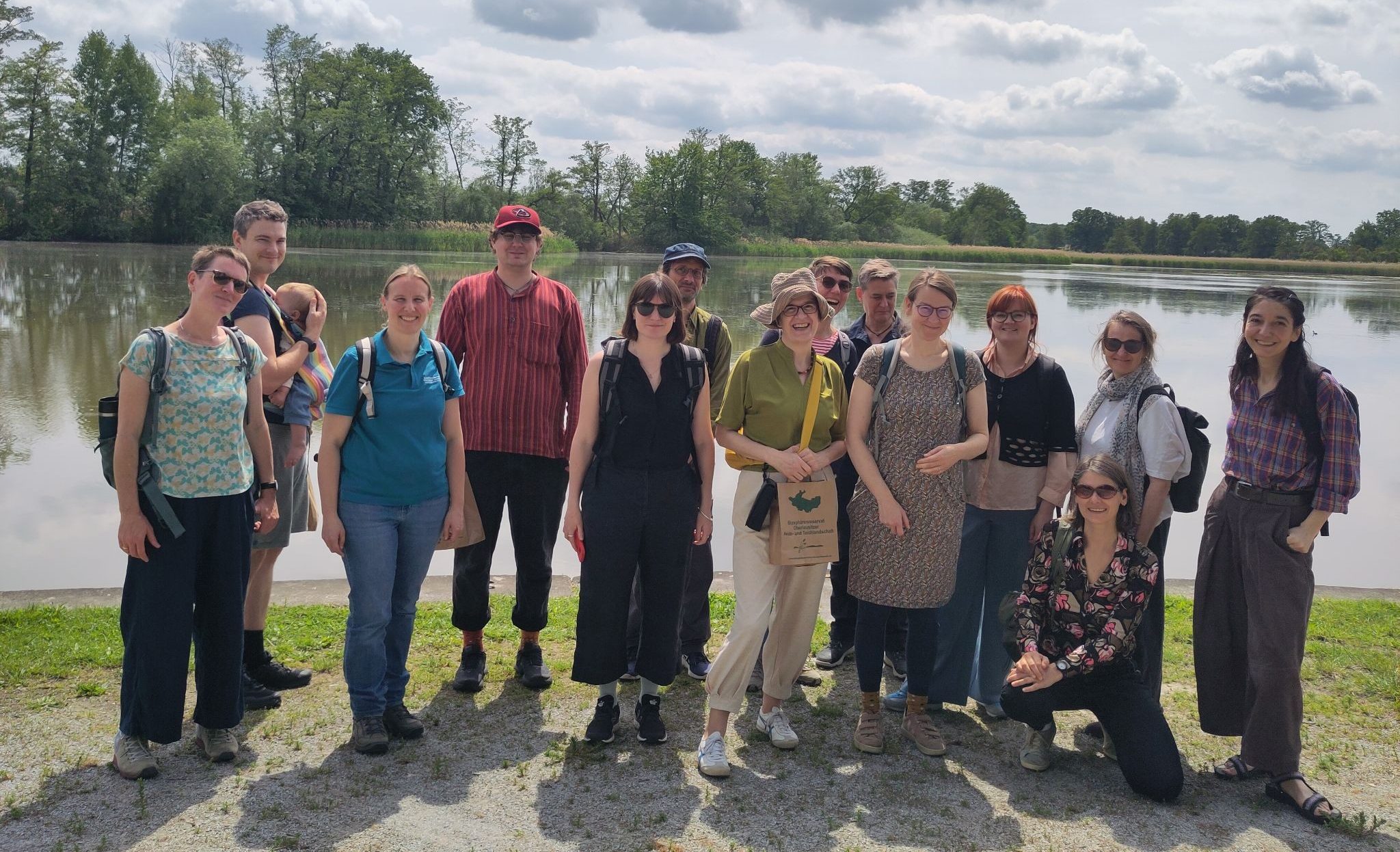
Our network gathered for its third meeting on 20-23 May 2026. After having explored the urban nature of Munich in 2024 and the ever-changing environment of the Wadden Sea in 2025, this time we were headed to the cultural landscape of Lusatia, or Lausitz in German – or, indeed, Łužica in Sorbian. We were guests of both the Sorbian Institute in Bautzen, courtesy of network member Jana Piňosová, and the UNESCO Biosphere Reserve Upper Lusatian Heath and Pond Landscape.
Our discussions were this time centered around conservation of cultural landscapes and around the role of humans in these protected spaces. We got started with a well-attended public lecture by network member Astrid M. Eckert at the biosphere reserve’s visitor center, the Haus der tausend Teiche (House of a Thousand Ponds) in Wartha. Astrid’s insights about the history of UNESCO’s Man and the Biosphere programme provided welcome context for the history of the area we found ourselves in.

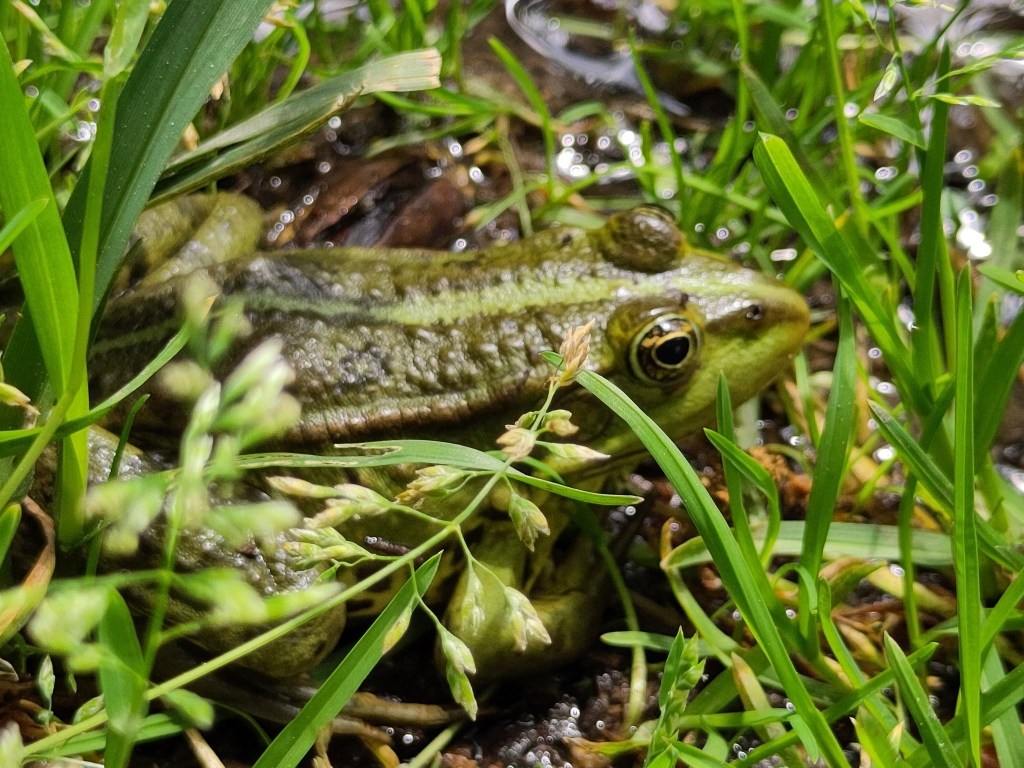

Part of the workshop was spent exploring the landscape under the expert guidance of Sebastian Heynen and Susanne Bärisch of the biosphere reserve. What we saw in the reserve was quite a different take on nature protection than the “let nature be nature” approach we know from German national parks. Instead, biosphere reserves subscribe to active management: network member Sabine Höhler reflects on this paradox of nature conservation in the Anthropocene in her blog entry for the KTH Stockholm’s Centre for Anthropocene History. In the case of the Upper Lusatian biosphere reserve, this means restoration of post-mining landscapes; maintaining fishponds and restoring watercourses as means of retaining water in the landscape; and the management of new ecosystems on former military training grounds.

This being Lusatia, where Germany’s first wolf pack re-emerged in 2000, wolves were an obvious topic. We had the good fortune to be joined by Marlis Heyer, the author of Wölfe erzählen, an anthropological take on the debates surrounding the cohabitation of wolves and humans. And though we did not spot a wolf, we did find what may have been wolf droppings.
Lusatia is special not only as an old cultural landscape, but also as the home of the ethnic minority of the Lusatian Sorbs. Robert Lorenz of the Sorbian Institute and our own Jana Piňosová discussed with us the political and cultural implications of seeing the Sorbs as an indigenous group as well as their often-exhorted connection to the landscape.
We concluded the workshop with a structured day of concentrated writing, collaborative efforts, and the development of the network output as well as discussing ideas for the future. We left Lusatia, as the Germans say, laughing with one eye and crying with the other: melancholy about the end of the workshop, yet at the same time invigorated by the encounters and discussions and hopeful for the future.


