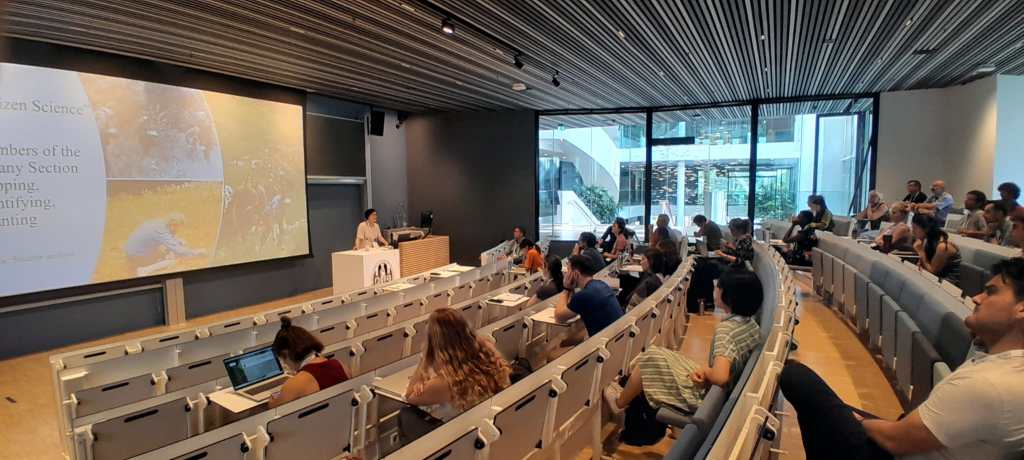
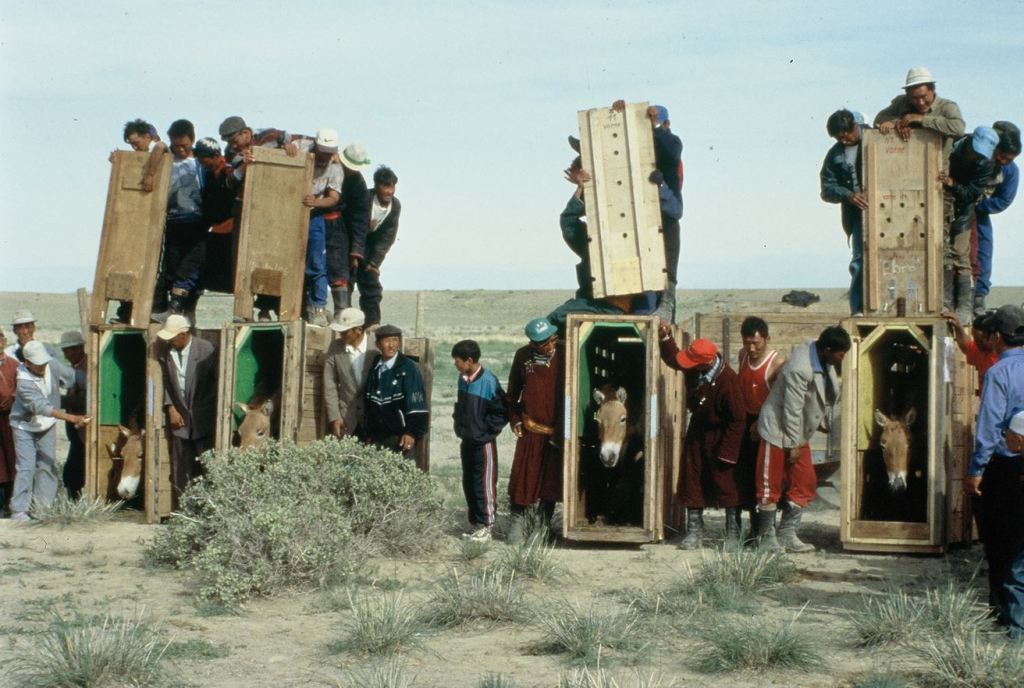
A small historical moment at the European Congress of Conservation Biology 2026: In early July, eight environmental historians (among them four members of our EuCoHN network, Astrid M. Eckert, George Holmes, Cormac Walsh and Monica Vasile) brought history into one of the Europe’s largest conservation science meetings, through the symposium Conservation Histories and Humanities: Understanding the Present, Unearthing the Past, co-organized by George Holmes and Monica Vasile. The idea they wanted to convey was that if conservation wants to learn from its successes and failures, it also needs to understand how today’s institutions, ideas, and practices came to be. History is not just an inert record of the past, or a source of very good stories, it is also a way of making sense of the present. The paper topics ranged from the roots of neoliberal conservation, subversive environmental research in the former GDR, and wildlife counting in Zambia, to bird migrations, hunting tourism, Przewalski’s horse reintroductions to Mongolia, white-tailed deer restoration in the United States, and the visual culture of early Dutch conservation. The audience was substantial, despite the fact that the panel took place on the last day of a long conference. The discussions were lively, and it felt like an exciting step in bringing humanities scholars and conservation scientists into closer conversation.
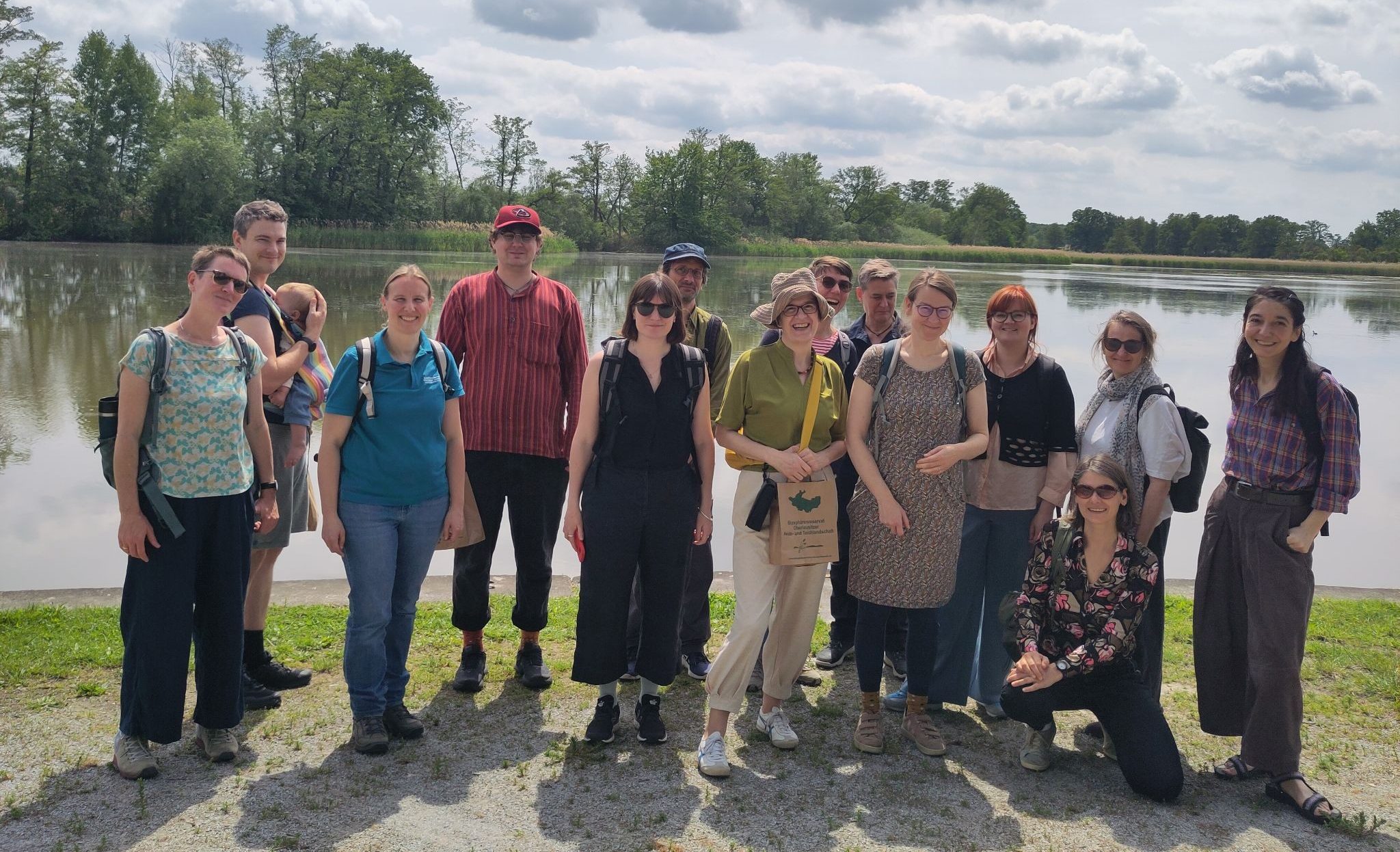
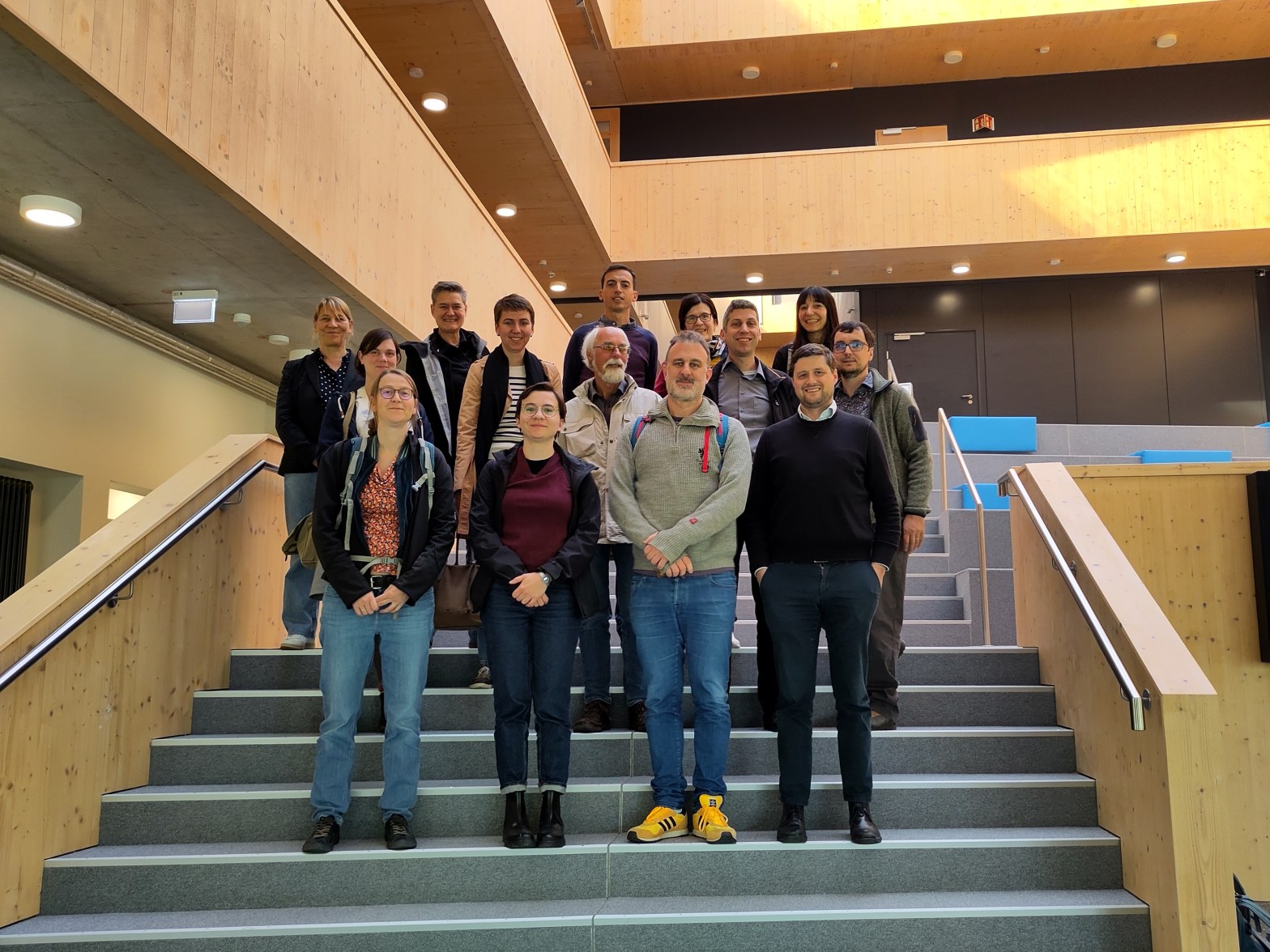
Our network gathered for its third meeting on 20-23 May 2026. After having explored the urban nature of Munich in 2024 and the ever-changing environment of the Wadden Sea in 2025, this time we were headed to the cultural landscape of Lusatia, or Lausitz in German – or, indeed, Łužica in Sorbian. We were guests of both the Sorbian Institute in Bautzen, courtesy of network member Jana Piňosová, and the UNESCO Biosphere Reserve Upper Lusatian Heath and Pond Landscape.
Our discussions were this time centered around conservation of cultural landscapes and around the role of humans in these protected spaces. We got started with a well-attended public lecture by network member Astrid M. Eckert at the biosphere reserve’s visitor center, the Haus der tausend Teiche (House of a Thousand Ponds) in Wartha. Astrid’s insights about the history of UNESCO’s Man and the Biosphere programme provided welcome context for the history of the area we found ourselves in.
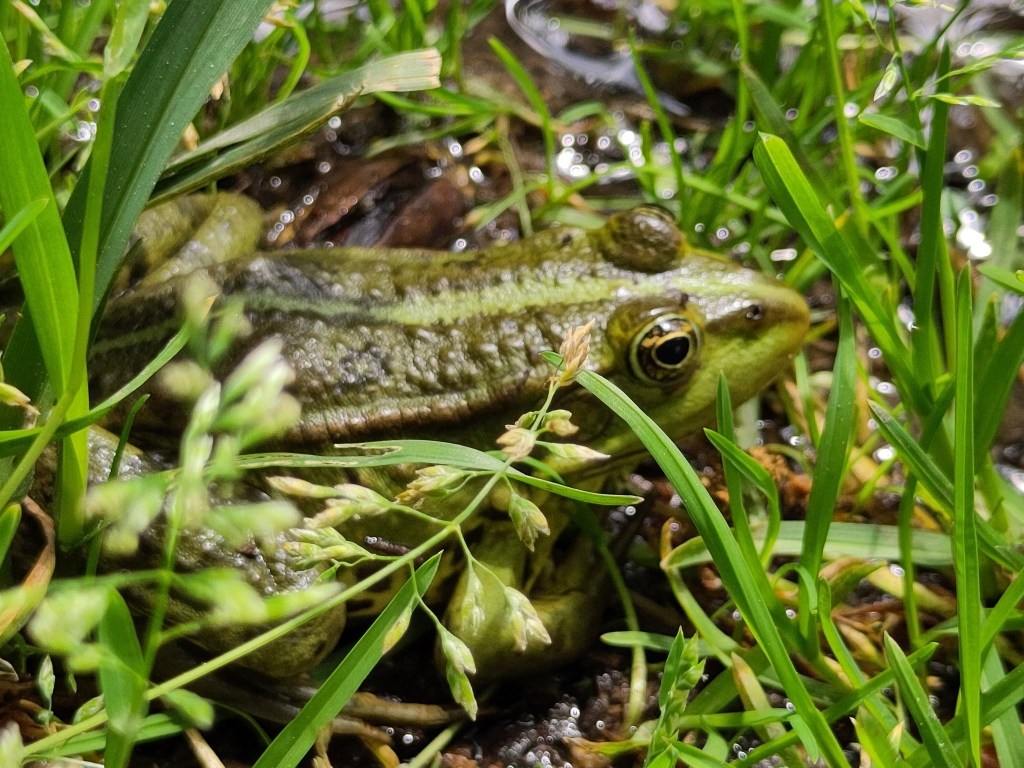
Part of the workshop was spent exploring the landscape under the expert guidance of Sebastian Heynen and Susanne Bärisch of the biosphere reserve. What we saw in the reserve was quite a different take on nature protection than the “let nature be nature” approach we know from German national parks. Instead, biosphere reserves subscribe to active management: network member Sabine Höhler reflects on this paradox of nature conservation in the Anthropocene in her blog entry for the KTH Stockholm’s Centre for Anthropocene History. In the case of the Upper Lusatian biosphere reserve, this means restoration of post-mining landscapes; maintaining fishponds and restoring watercourses as means of retaining water in the landscape; and the management of new ecosystems on former military training grounds.
This being Lusatia, where Germany’s first wolf pack re-emerged in 2000, wolves were an obvious topic. We had the good fortune to be joined by Marlis Heyer, the author of Wölfe erzählen, an anthropological take on the debates surrounding the cohabitation of wolves and humans. And though we did not spot a wolf, we did find what may have been wolf droppings.
Lusatia is special not only as an old cultural landscape, but also as the home of the ethnic minority of the Lusatian Sorbs. Robert Lorenz of the Sorbian Institute and our own Jana Piňosová discussed with us the political and cultural implications of seeing the Sorbs as an indigenous group as well as their often-exhorted connection to the landscape.
We concluded the workshop with a structured day of concentrated writing, collaborative efforts, and the development of the network output as well as discussing ideas for the future. We left Lusatia, as the Germans say, laughing with one eye and crying with the other: melancholy about the end of the workshop, yet at the same time invigorated by the encounters and discussions and hopeful for the future.
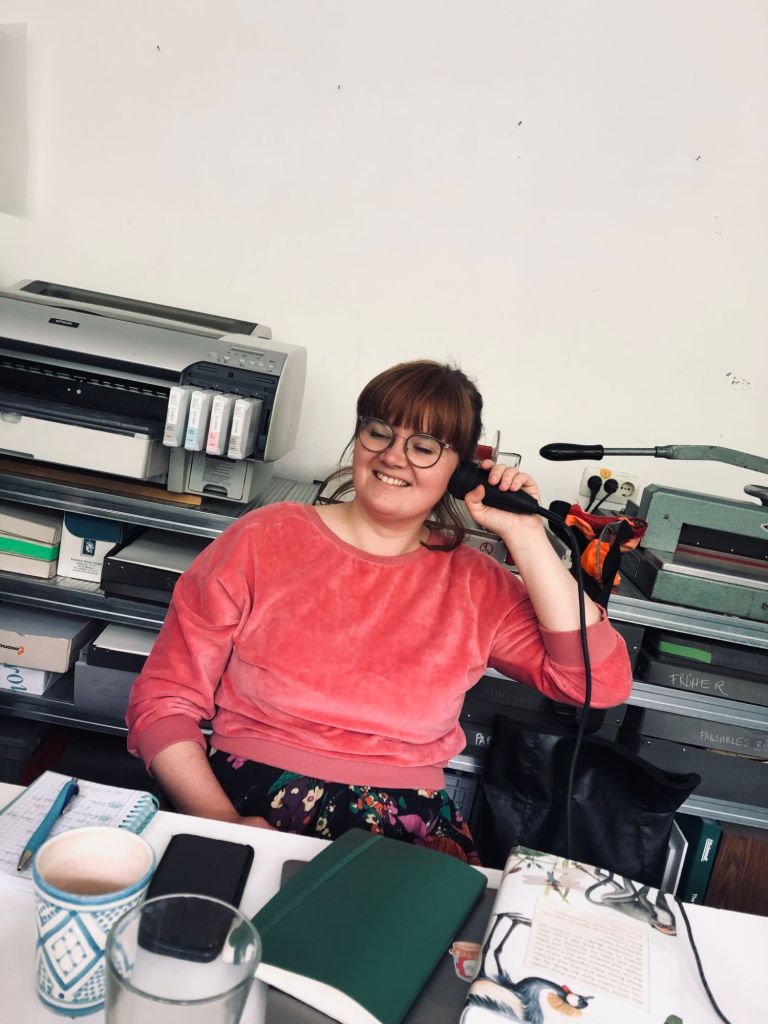
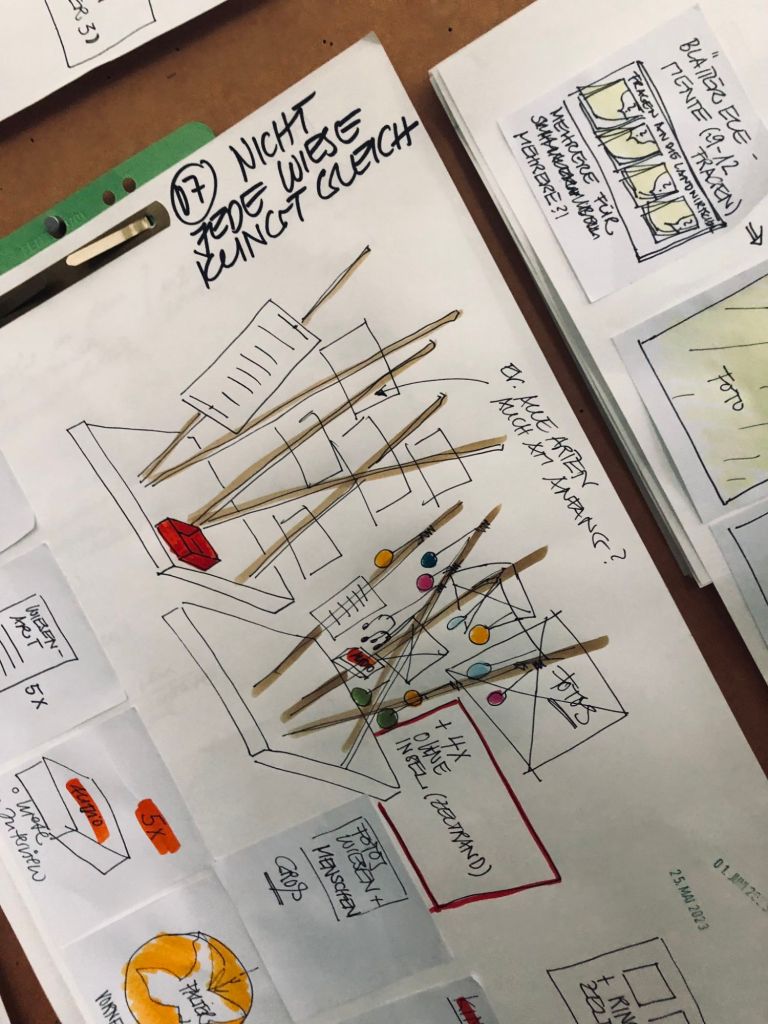
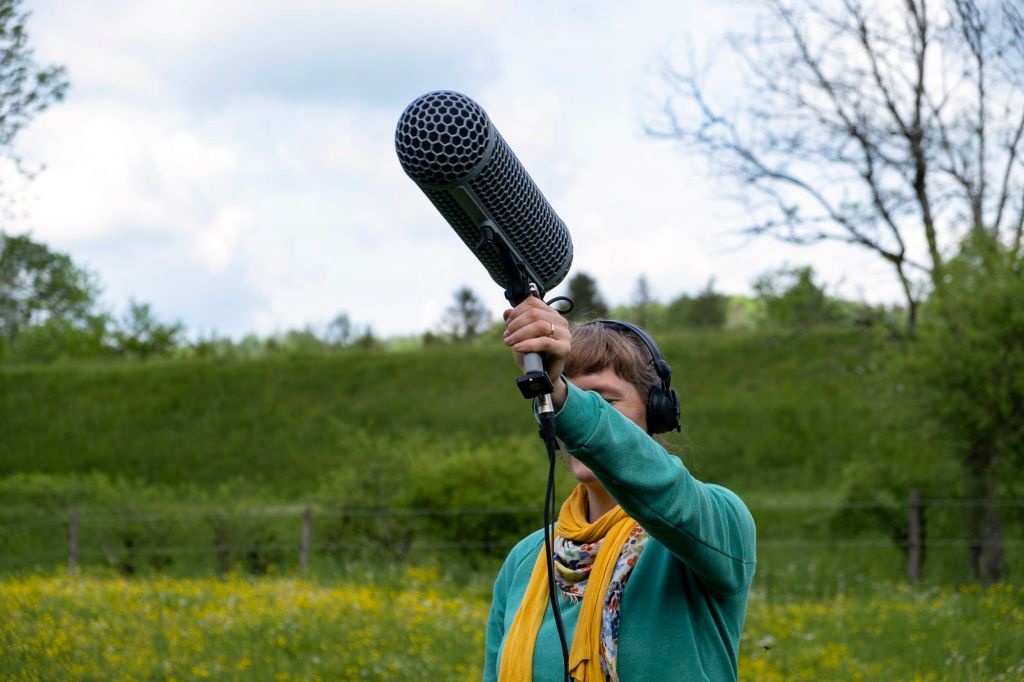
Laura is one of the curators of the Land.Schafft.Klang exhibition that focuses on the soundscapes of the Bavarian countryside and on the ways the presence – and absence – of sounds of nature reflects biodiversity. The exhibition has been touring Bavaria since 2024. Congratulations!
EuCoHN network member Nicola Thomas together with network associates Blake Ewing and Enaiê Mairê Azambuja have published a virtual exhibition on wetlands. The Wetland Times project investigated how time is understood, lived, and represented in wetland environments across three geographically and culturally distinct sites: Morecambe Bay in the UK, the Wadden Sea in northern Europe, and the Dja Faunal Reserve in southern Cameroon. The project responded to the dominance of global and abstract temporal frameworks such as ‘deep time’ or the Anthropocene in climate and conservation discourse, and instead focused on the more situated, culturally specific, and often conflicting timescapes that shape how people relate to and care for wet places.
The Wetland Times Virtual Exhibition, launched on 29 September 2025, presented the findings of this research through six thematic sections: Imaginaries, Narratives, Structures, Flows, (A)synchronicities, and Ruptures—each exploring different temporal dimensions found in wetland life and language. Drawing on interviews, fieldwork, and creative contributions, the exhibition highlighted the layered and sometimes paradoxical qualities of wetland time: from cyclical rhythms and ecological succession to ruptures caused by displacement, environmental change, and competing land use agendas. It also raised questions about how conservation practice might better account for the temporal knowledge embedded in local traditions, languages, and lived experience.
EuCoHN members at the ESEH conference in Uppsala. Photo credit: Ines Meier
EuCoHN had a strong presence at the European Society for Environmental History (ESEH) conference that took place this August in Uppsala, Sweden. Eight members of our network participated, with Sabine Höhler serving as a member of the program and local organizing committees. We convened four panels between us, on topics ranging from environmental governance and history of nature conservation in the Habsburg Empire to visual histories of climate change and insights on academic writing.
EuCoHN members gathered in Oldenburg in May 2025 for the second meeting of the network. This time felt very different to our first meeting in Munich in 2024 – there, the emphasis was on getting to know each other’s work and approaches, and facilitating the space for conversations that would allow us to build the kind of network we want to have. This time we met as an established network, with lots of news to share and the energy to work together on taking our projects forward.
Network member Cormac Walsh had arranged for us to spend our first day in the beautiful facilities of the Helmholtz Institute for Functional Marine Biodiversity Oldenburg, and to kick us off Anna-Katharina Wöbse had organized a roundtable with external guests Peter Südbeck (Leiter der Nationalparkverwaltung, Niedersächsisches Wattenmeer) and marine biologist, activist, author, and “Wadden Seanior” Karsten Reise. This passionate and lively discussion set the tone for our whole meeting, ranging from the intricacies of bird migration routes and ecological change to the big questions: Can we even talk about conservation or restoration when ecosystems are already adapting to a new world? What does it mean to protect nature that is not the nature we know?
These are questions that underlie all of our work and our teaching, in different ways; and they are also questions that speak of and to the current moment of political uncertainty. Network member Astrid M. Eckert spoke movingly about the need to conserve also intellectual freedom and research in an academic climate that is also changing fast and unpredictably. We considered the need to find and preserve hidden voices and narratives in conservation, and the importance of forging alliances between Europe and the rest of the world in the current moment. We broke into smaller interdisciplinary groups to discuss particular conservation paradigms and learn more from each other’s disciplinary and geographical expertise, and reflected in plenum on the progress and future plans for our network.
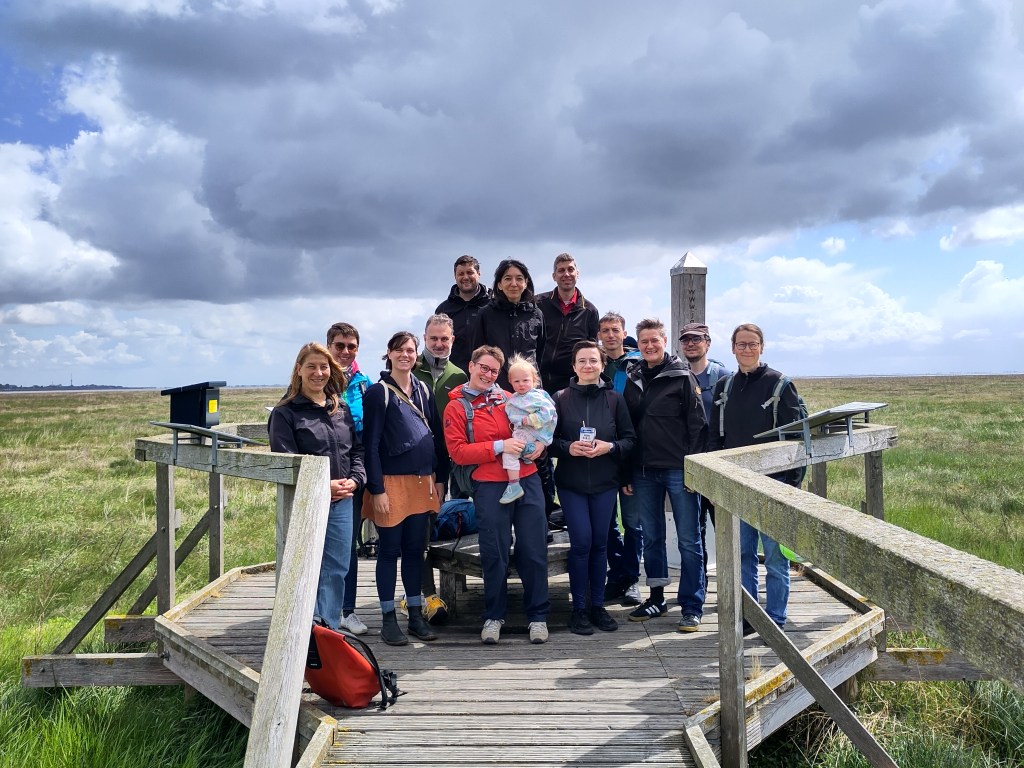
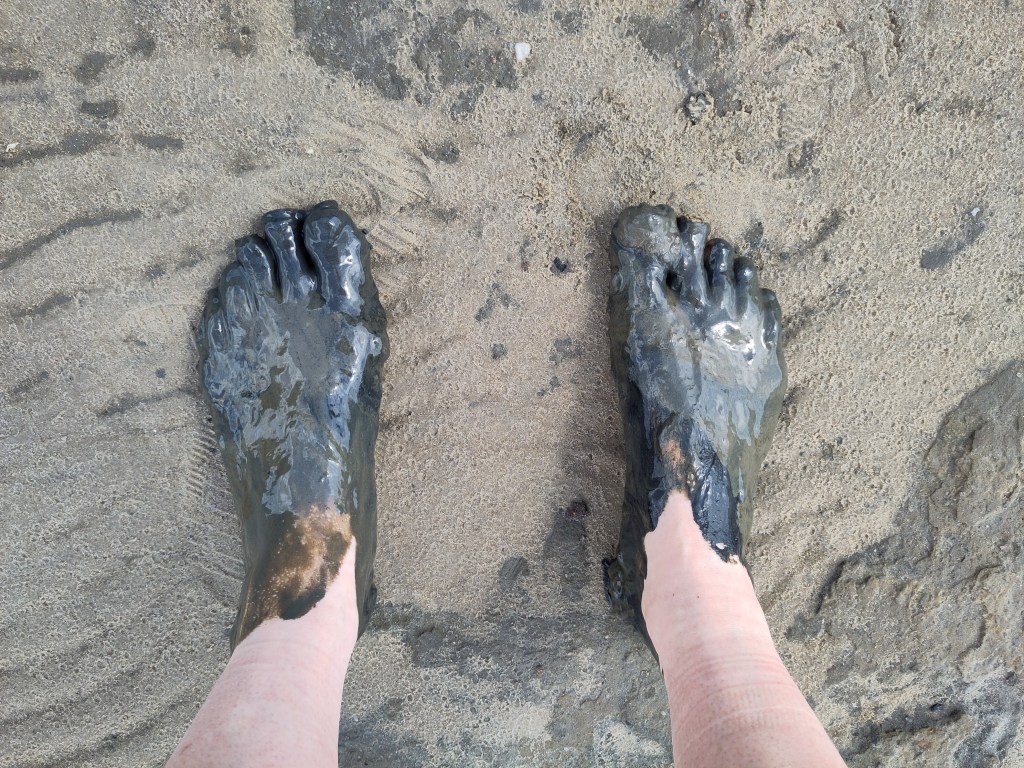
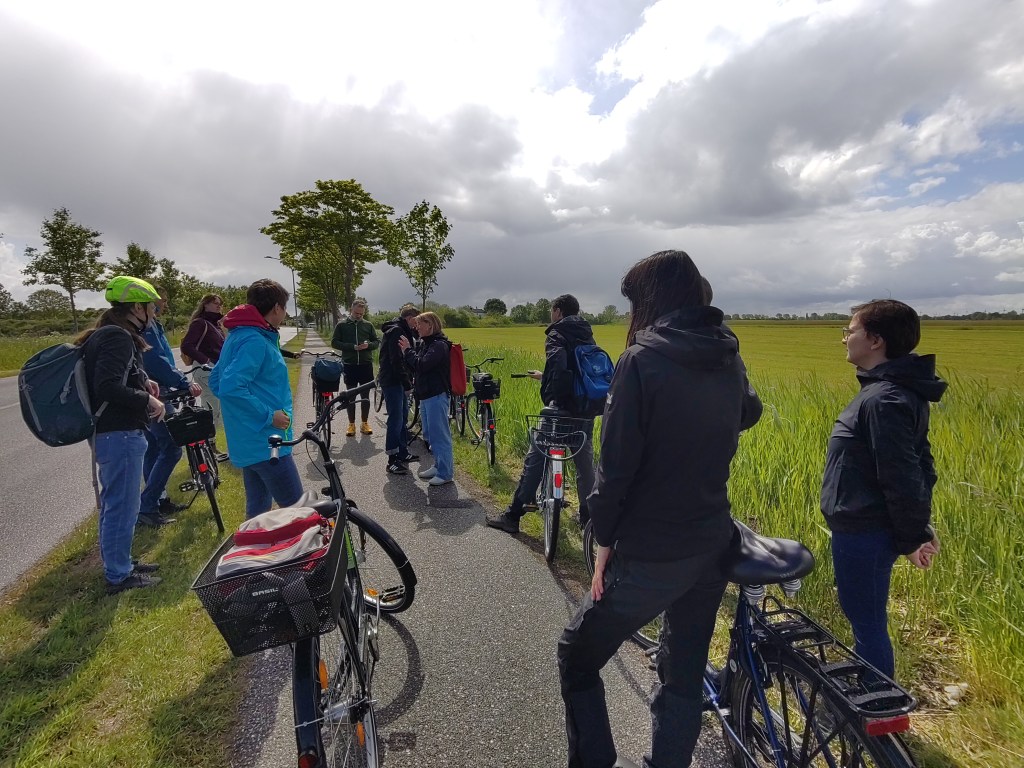
On the second day of the workshop, following the model of our 2024 meeting, we left the Helmholtz Institute and continued our conversations in the field. Whereas last year our focus was urban ecology and rewilding, this year took us to the Wadden Sea itself to consider the history and future of coastal protection. Besides learning a lot about the particular concerns of Wadden Sea conservation past and present, our field trip involved wind, rain, sun, muscle power and (the badge of honour for conservationists) mud! In the spirit of embodied, down-to-earth conservation practice, we very much hope that it sticks.