The final year of the Corridor Talk project, extended by three months because of the Covid outbreak, concentrated as might be expected on the completion of project deliverables. It also provided an opportunity for the team to reflect individually and collectively on their work, with some of these reflections being distilled into the project’s third and final field trip.
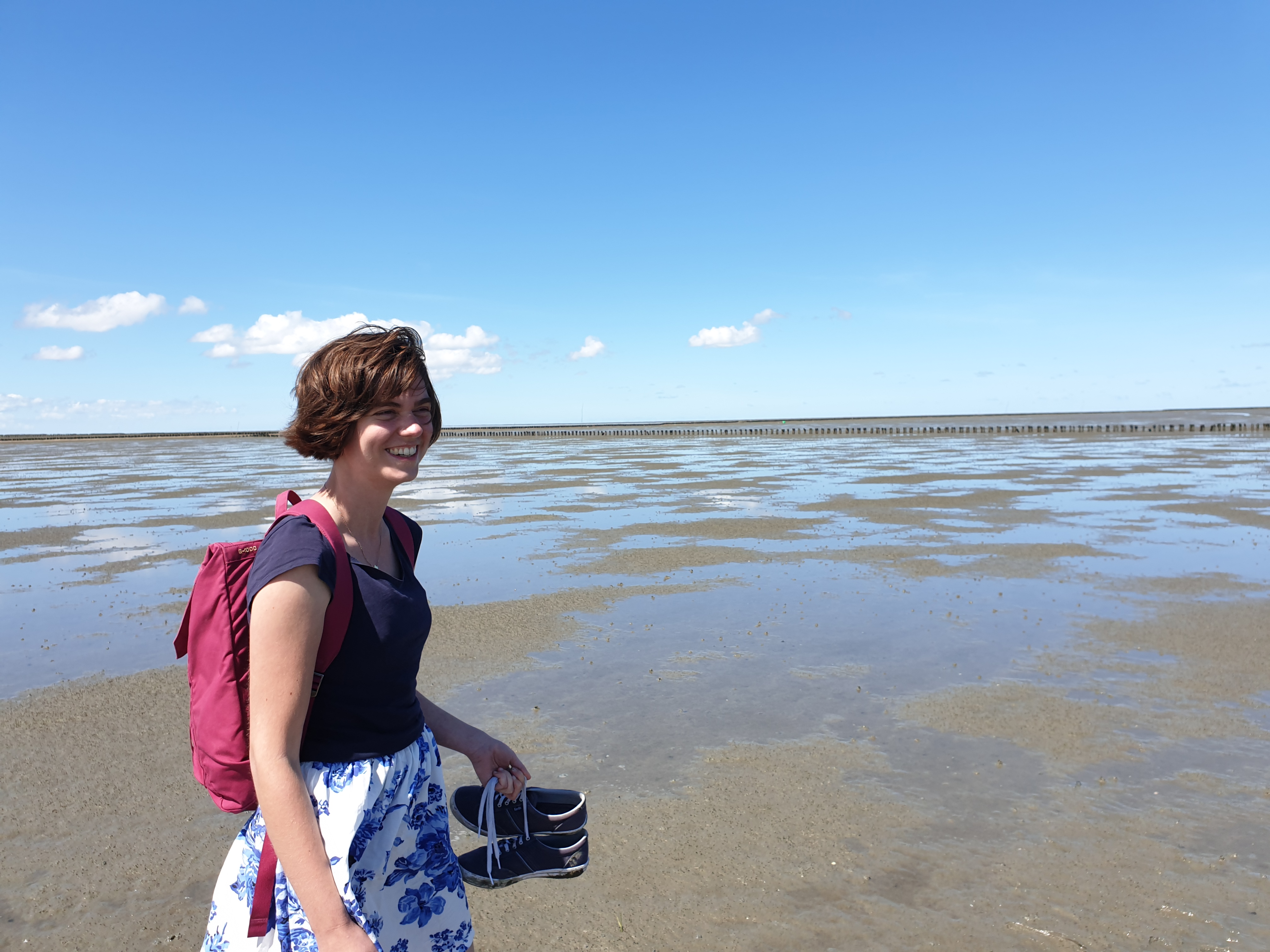
Inevitably, some of the outputs produced during the last phase of the project were reflections, directly or indirectly, on the Covid-19 pandemic, the outbreak of which was roughly concurrent with the start of the project, and which came collectively to haunt it – as well as seriously affect the health of some of its individual team members – throughout. In the case of WP1 “Imaginaries,” research and publications evolved to take account of a perceived shift, partly motivated by the pandemic, in the imagination of place. Thus, while the first co-written article by Katie Ritson and Eveline de Smalen, “Imagining the Anthropocene with the Wadden Sea”, published back in 2021 in Maritime Studies, had drawn on literary texts written in Danish, Dutch, and German to analyse the value of the Wadden Sea as a site of literary imagination in the Anthropocene, a second research output was redesigned to draw on the insights from pandemic travel restrictions in exemplifying the significance of non-local resources in cultivating the imagination of the (five) Wadden Sea national parks. This second output, informed by Ritson and De Smalen’s intensive work with Wadden Sea conservationists and policymakers as well as colleagues in the academic fields of comparative literature and environmental humanities, consists of an online Teaching Toolkit and a commentary published in the journal Coastal Studies and Society, both of which advocate for using literature and other cultural resources (historical writing, artworks, film) to communicate the value of national park conservation. The teaching resources were developed online in a working group consisting of academics and conservationists, and besides its applications for those teaching or learning about the Wadden Sea, it provides a prototype that can be adopted by other national parks or conservation initiatives. The resource was picked up and advertised on the Wadden Sea UNESCO World Heritage website, and opportunities are currently being explored for rolling similar resources out at other national parks.

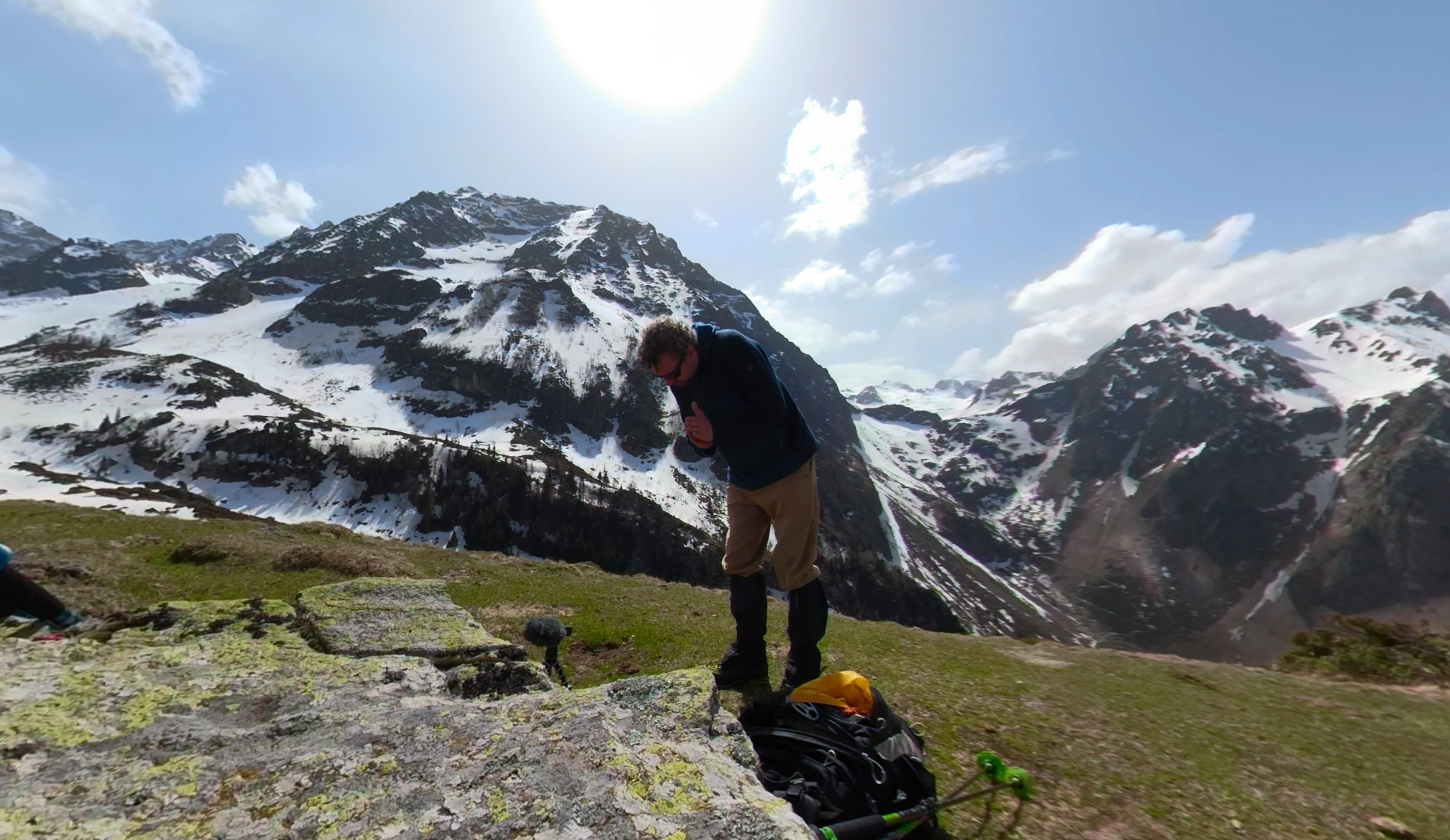


Research attached to WP2 “Immersions” likewise evolved with the pandemic, as new concepts and technologies opened up further opportunities for research and publications. One key aspect that emerged from the latter stages of the project was the opportunity to develop, together with IUCN France, a national-level spatial analysis of naturalness. This was used to support the design of the research interviews incorporated into the WP and the sampling design of its soundscape monitoring. As anticipated from the outset, extensive fieldwork by Jonathan Carruthers-Jones was conducted for this particular part of the project, involving a large amount of ethnographic and audio-visual data. These transcripts and recordings are currently being incorporated into a naturalness map of the area under study (in the Pyrenees national park), and this work is currently being written up for submission to a major international journal. An intermediary technical note was recently published (April 2023) by IUCN. Insights from the research have also been incorporated into recent publications on rewilding, including a chapter on cores and corridors, published in in the Routledge Handbook of Rewilding, and a spatial analysis of rewilding areas in France as a key concept in monitoring and understanding shifting conservation baselines and landscape change. Meanwhile, the research work on soundscapes within the project has contributed to the recent publication of a set of guidelines on acoustic monitoring and the development of a paired research site to match the ongoing soundscape monitoring in the Pyrenean study area.
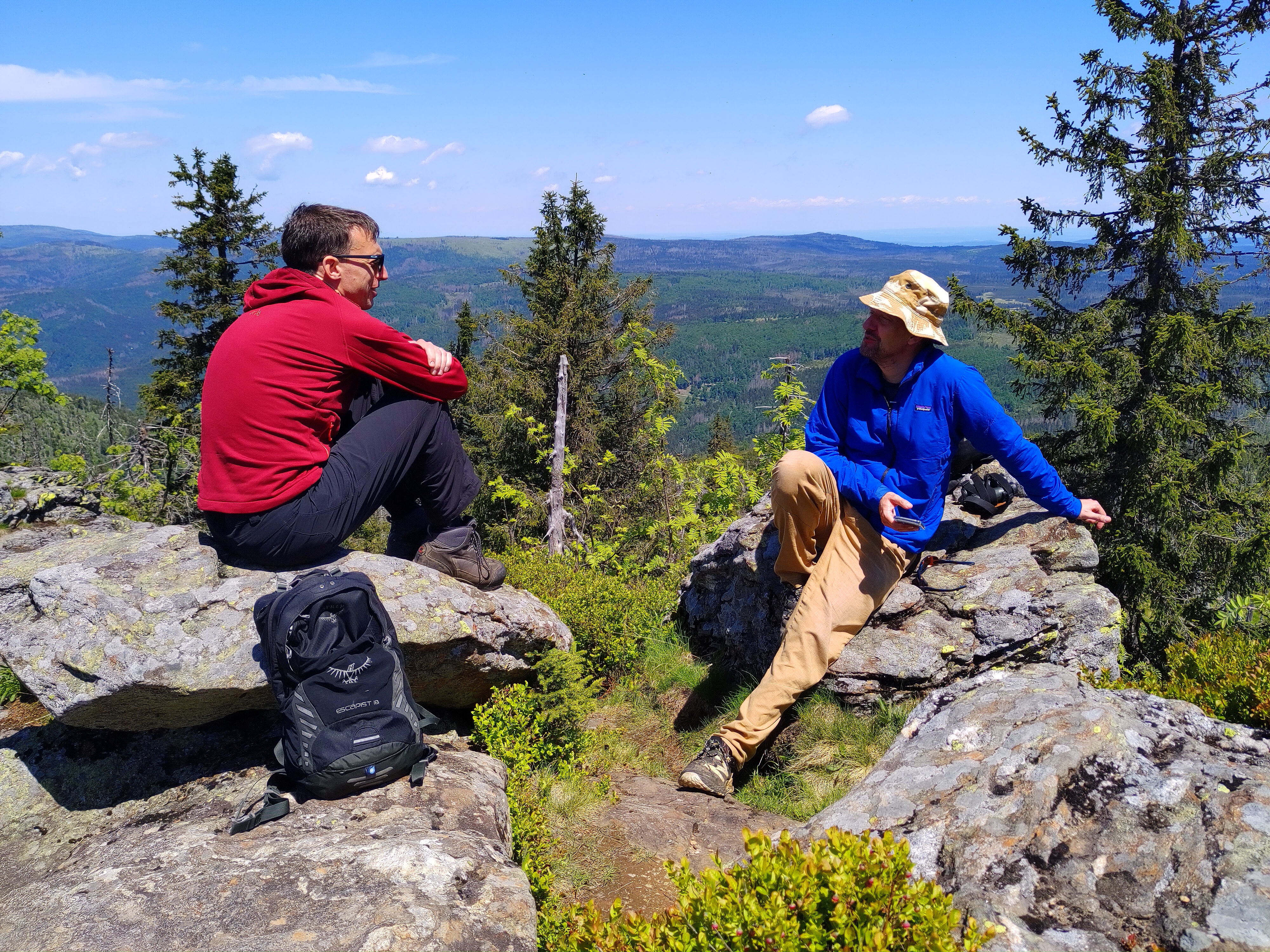
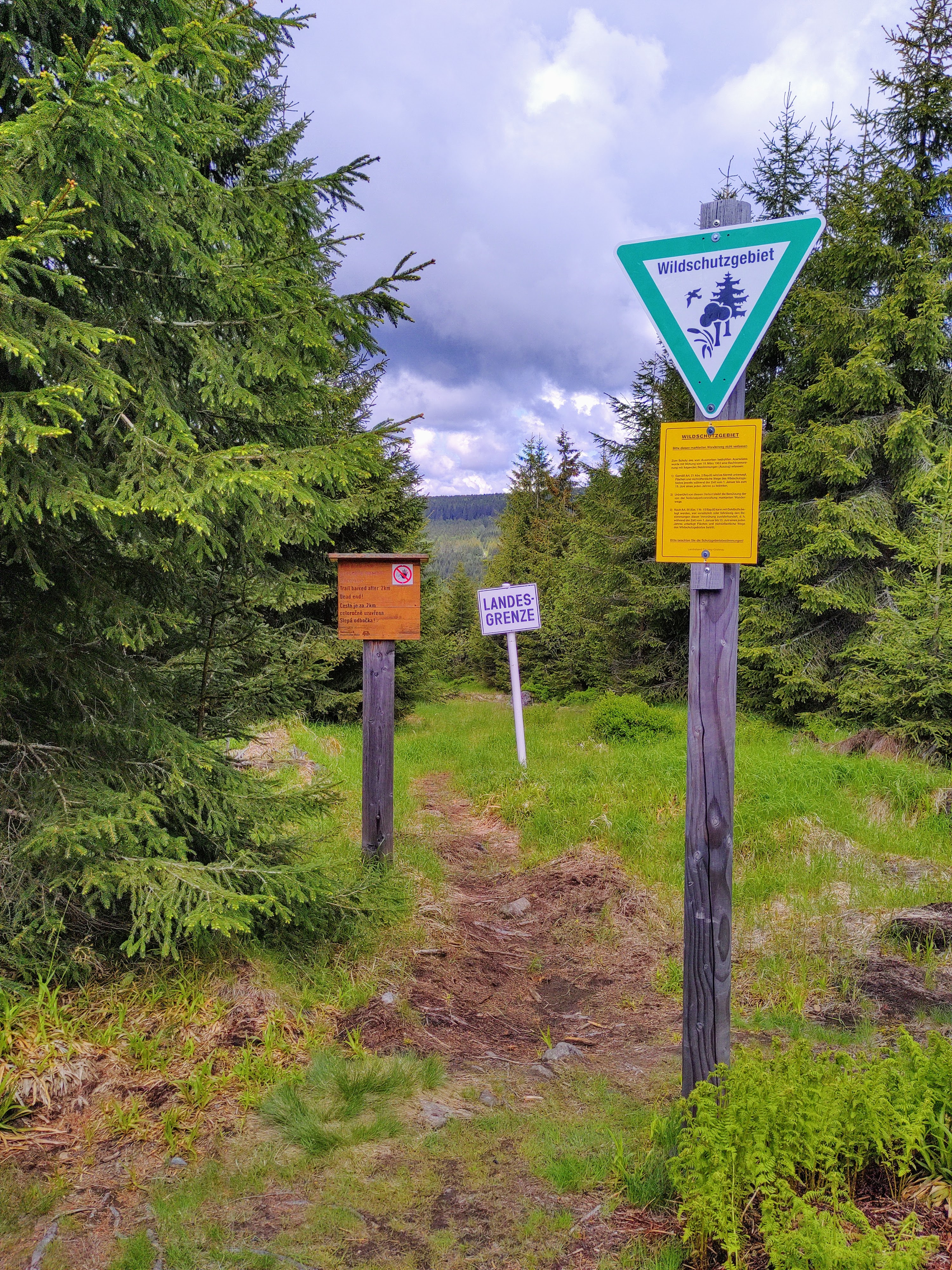
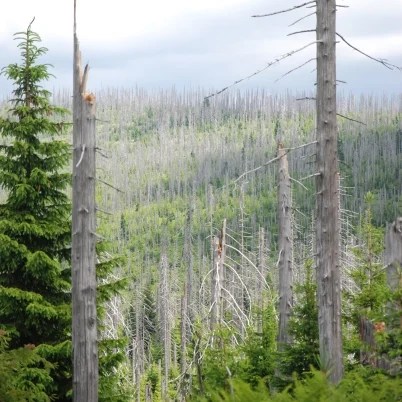
The main original aim of WP3 “Invasions” was to focus research questions around the damage caused to the natural ecosystems of national parks by invasive species, in this particular case the bark beetle, periodic outbreaks of which have destroyed large areas of spruce forest in the transboundary region of Bavarian Forest and Šumava National Parks. However, as work progressed it became clear that a broader set of issues needed to be addressed around the changing status and function of political as well as ecological borders in the two adjoining parks. This has since become a focal point for various publications attached to the WP, including a recent co-written article by Graham Huggan and Pavla Šimková, “Three very short histories of the border: regimes of (in)visibility in Bavarian Forest and Šumava National Parks”, currently under review at the journal Resilience; a single-written article by Huggan, “From the Serengeti to the Bavarian Forest, and back again: Bernhard Grzimek, celebrity conservation, and the transnational politics of national parks”, a single-written, German-language article by Šimková, „Grenzenlos wild? Naturschutz und Grenze im Bayerischen Wald und Šumava“, accepted for publication in the online peer-reviewed platform Copernico; and a book chapter co-written by Šimková and Astrid Eckert, “Transcending the Cold War: Borders, Nature, and the European Green Belt Conservation Project Along the Former Iron Curtain”, published in Greening Europe: Environmental Protection in the Long Twentieth Century – A Handbook. Meanwhile, Šimková is continuing to work on a full-length book – one of the project’s major outputs – on the environmental, cultural, and political history of Bavarian Forest and Šumava National Parks.



The main aim of the project’s synoptic work package (WP4) was to reflect on the site-specific research undertaken in the other three WPs (in the Wadden Sea, the Pyrenees, and the Bavarian Forest/Šumava respectively), to allow for the extrapolation of broader questions and the development of combined approaches from our different disciplinary perspectives. We set ourselves the challenge in this WP of translating our research into formats that would be relevant for those working in conservation policy and landscape management, in particular in the contexts of transboundary national parks. This has resulted in the publication of two jointly written journal articles, one aimed at academics in the field of conservation biology, and the other at scholars from the environmental humanities. outputs. The first article, led by George Holmes, was published in the journal Conservation Biology in late 2021; the second, led by Katie Ritson, is accepted for publication in Environmental Humanities in 2024.
Our discussions on how best to translate our research into formats that will reach those concerned with conservation policy are ongoing. Outputs in this category are varied and include so far: the contribution to the 2021 International Wadden Sea Symposium report, which takes the form of recommendations for conservation and management drawing on research by Eveline de Smalen and others, plus the featuring of the http://www.waddensealiterature.com website on the UNESCO Wadden Sea website (WP1); and Jonathan Carruthers-Jones’ participation in the IUCN World Congress 2021 in Marseille, which resulted in a television report on his ongoing participatory mapping work (WP2).
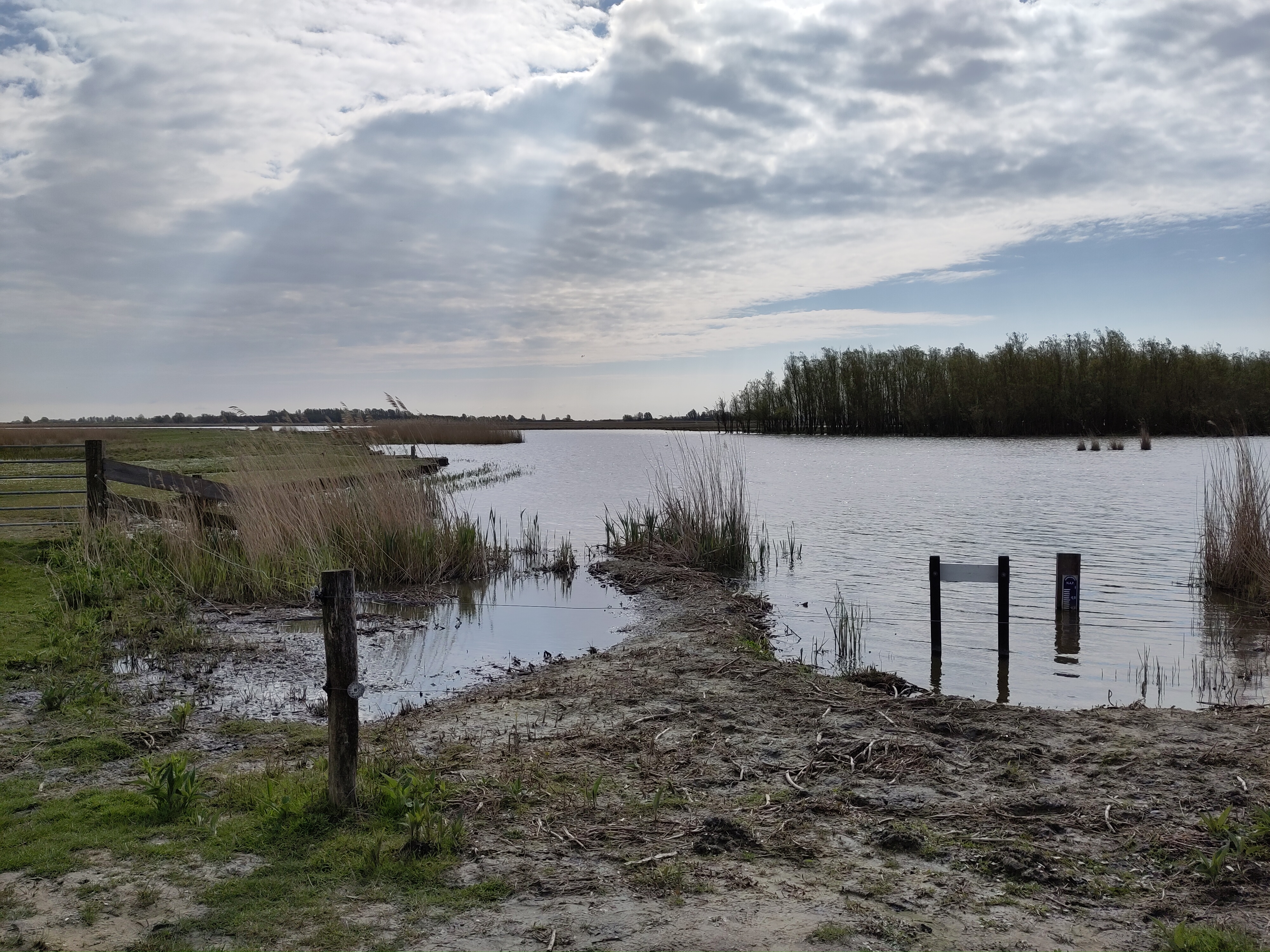
One result of our discussions at the final workshop in Lauwersoog will be the channeling of project research into three short policy advisories, the first of which, on the pan-European implications of mapping wilderness areas, will be presented to IUCN for its approval by the end of 2023. Although the Corridor Talk has now ended, our discussions haven’t! The reflections this project has generated will continue to inform future research and outputs. A special issue of the journal Humanities on the topic of conservation humanities is underway, led by Graham Huggan (forthcoming 2024). Meanwhile, Pavla Šimková has applied to the DFG for funding for a European Conservation Humanities Network, which aims to continue the work of developing conservation humanities in an expanded interdisciplinary team, bringing together aligned projects across northern Europe.
 CONSERVATION HUMANITIES