Wetland Times virtual exhibition now online

EuCoHN network member Nicola Thomas together with network associates Blake Ewing and Enaiê Mairê Azambuja have published a virtual exhibition on wetlands. The Wetland Times project investigated how time is understood, lived, and represented in wetland environments across three geographically and culturally distinct sites: Morecambe Bay in the UK, the Wadden Sea in northern Europe, and the Dja Faunal Reserve in southern Cameroon. The project responded to the dominance of global and abstract temporal frameworks such as ‘deep time’ or the Anthropocene in climate and conservation discourse, and instead focused on the more situated, culturally specific, and often conflicting timescapes that shape how people relate to and care for wet places.

The Wetland Times Virtual Exhibition, launched on 29 September 2025, presented the findings of this research through six thematic sections: ImaginariesNarrativesStructuresFlows(A)synchronicities, and Ruptures—each exploring different temporal dimensions found in wetland life and language. Drawing on interviews, fieldwork, and creative contributions, the exhibition highlighted the layered and sometimes paradoxical qualities of wetland time: from cyclical rhythms and ecological succession to ruptures caused by displacement, environmental change, and competing land use agendas. It also raised questions about how conservation practice might better account for the temporal knowledge embedded in local traditions, languages, and lived experience.

EuCoHN at the ESEH 2025 in Uppsala

EuCoHN members at the ESEH conference in Uppsala. Photo credit: Ines Meier

EuCoHN had a strong presence at the European Society for Environmental History (ESEH) conference that took place this August in Uppsala, Sweden. Eight members of our network participated, with Sabine Höhler serving as a member of the program and local organizing committees. We convened four panels between us, on topics ranging from environmental governance and history of nature conservation in the Habsburg Empire to visual histories of climate change and insights on academic writing.

New Species-Reintroduction Article

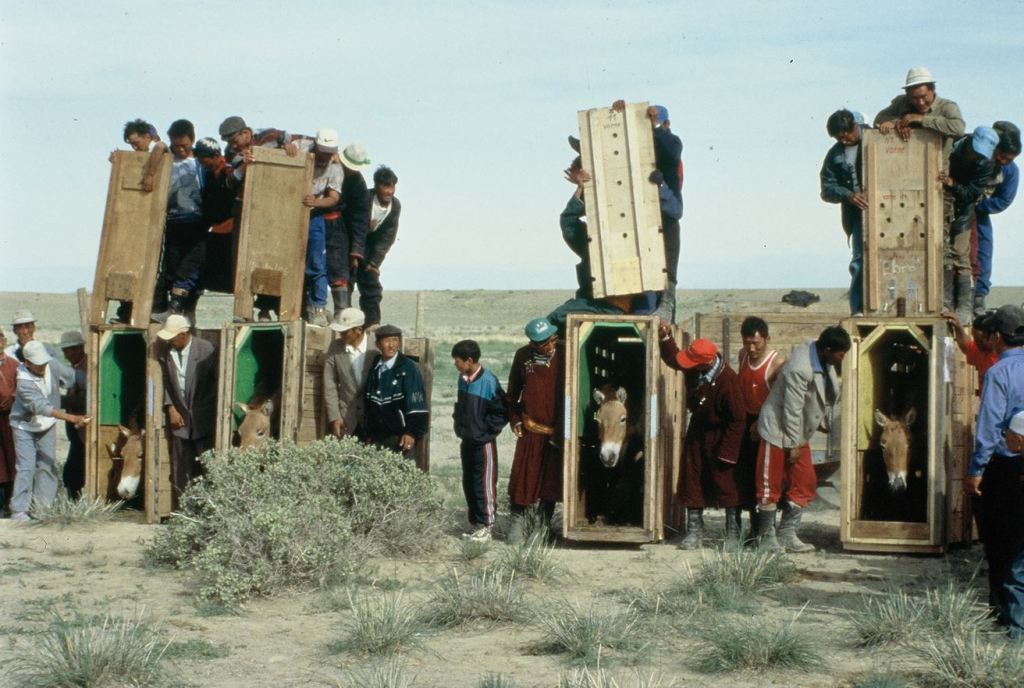
Photo by Ruth Baumgartner, ITG (International Takhi Group). Used with permission.

Monica Vasile has published a new article in Environmental Humanities. Beyond Homecoming: The Reintroduction of Seven Przewalski’s Mares in the Gobi Desert traces the stories of and the metaphors around seven horses flown into Mongolia in the 1990s to argue that reintroducing endangered species is less a triumphant and reassuring “homecoming” than a slow, uncertain “homemaking”. The article is open acces and available here!

(Re)Turning to the Wadden Sea: Our Network Meeting in 2025

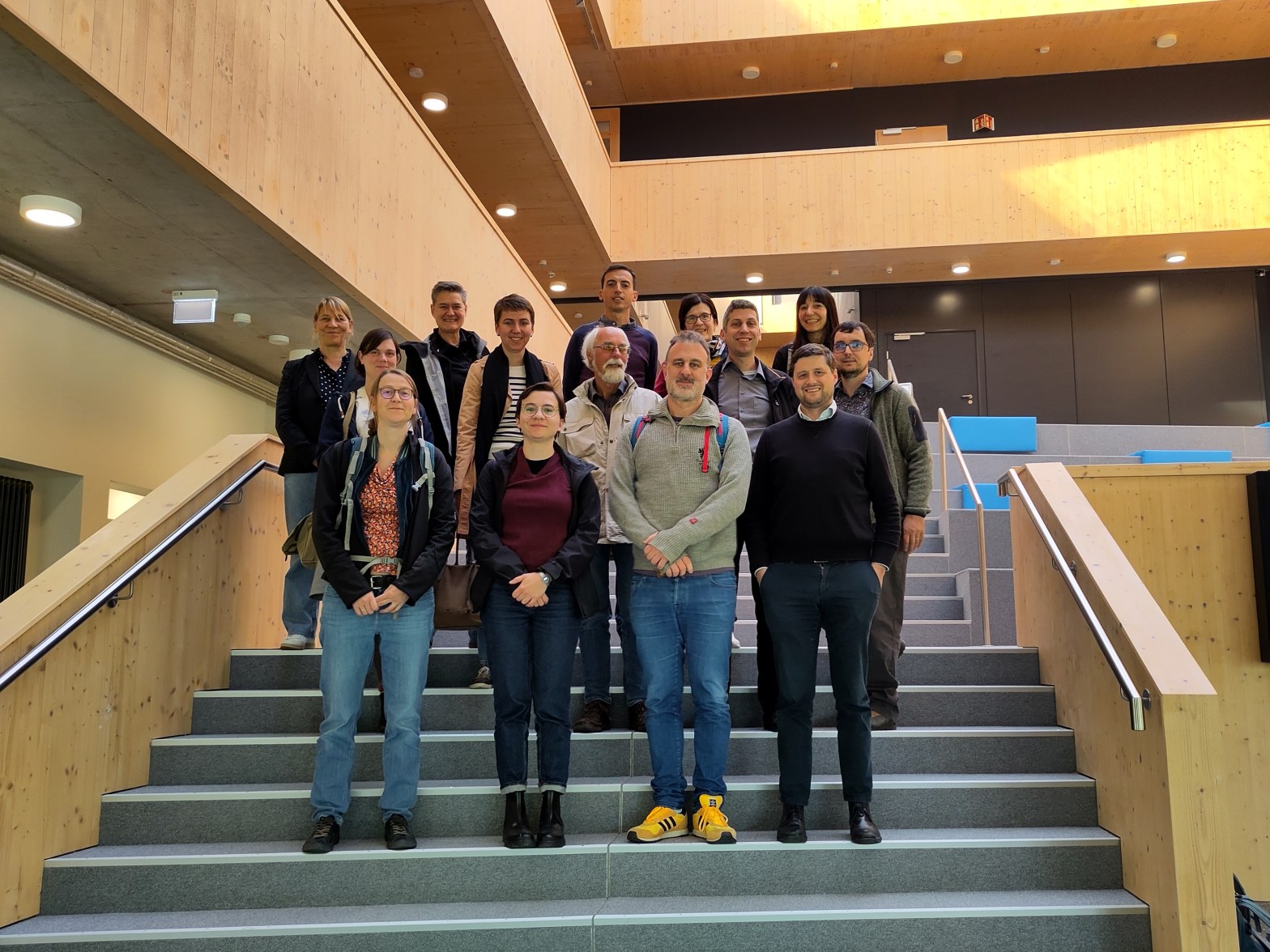
EuCoHN members gathered in Oldenburg in May 2025 for the second meeting of the network. This time felt very different to our first meeting in Munich in 2024 – there, the emphasis was on getting to know each other’s work and approaches, and facilitating the space for conversations that would allow us to build the kind of network we want to have. This time we met as an established network, with lots of news to share and the energy to work together on taking our projects forward.

Network member Cormac Walsh had arranged for us to spend our first day in the beautiful facilities of the Helmholtz Institute for Functional Marine Biodiversity Oldenburg, and to kick us off Anna-Katharina Wöbse had organized a roundtable with external guests Peter Südbeck (Leiter der Nationalparkverwaltung, Niedersächsisches Wattenmeer) and marine biologist, activist, author, and “Wadden Seanior” Karsten Reise. This passionate and lively discussion set the tone for our whole meeting, ranging from the intricacies of bird migration routes and ecological change to the big questions: Can we even talk about conservation or restoration when ecosystems are already adapting to a new world? What does it mean to protect nature that is not the nature we know?

These are questions that underlie all of our work and our teaching, in different ways; and they are also questions that speak of and to the current moment of political uncertainty. Network member Astrid M. Eckert spoke movingly about the need to conserve also intellectual freedom and research in an academic climate that is also changing fast and unpredictably. We considered the need to find and preserve hidden voices and narratives in conservation, and the importance of forging alliances between Europe and the rest of the world in the current moment. We broke into smaller interdisciplinary groups to discuss particular conservation paradigms and learn more from each other’s disciplinary and geographical expertise, and reflected in plenum on the progress and future plans for our network.

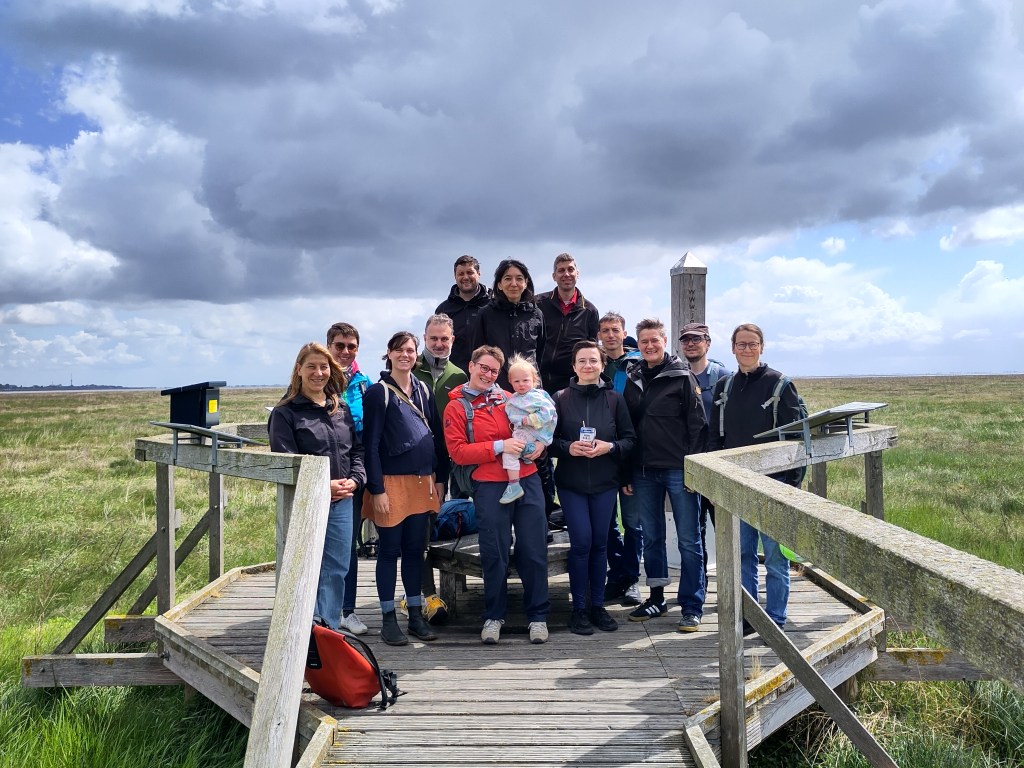
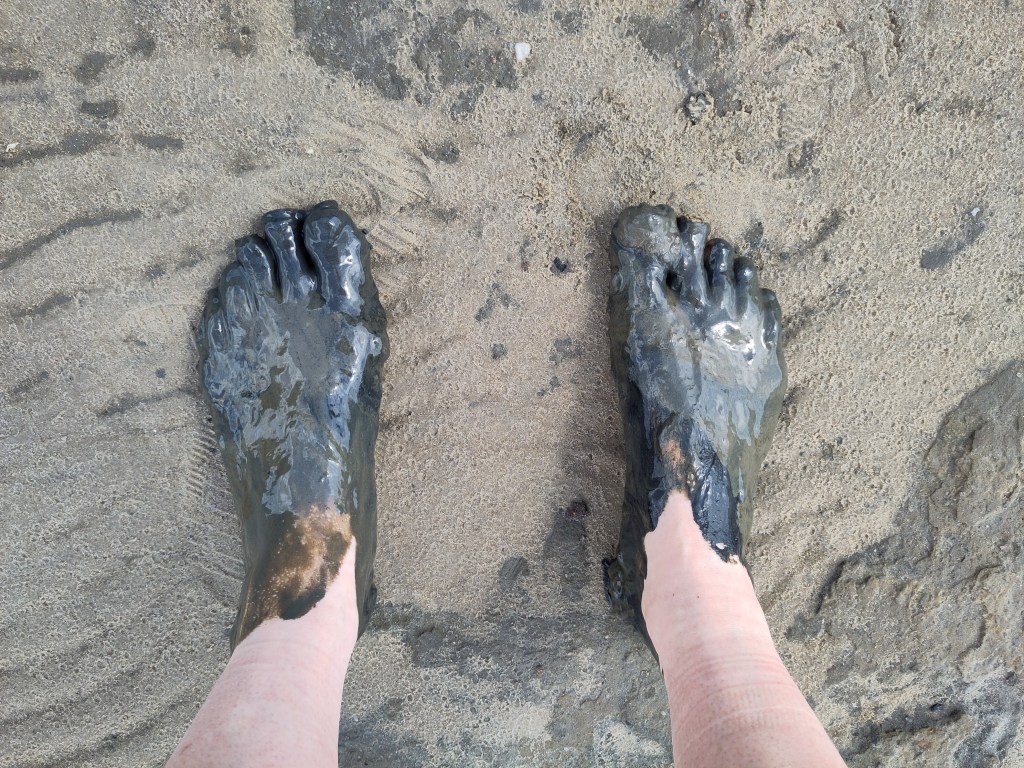
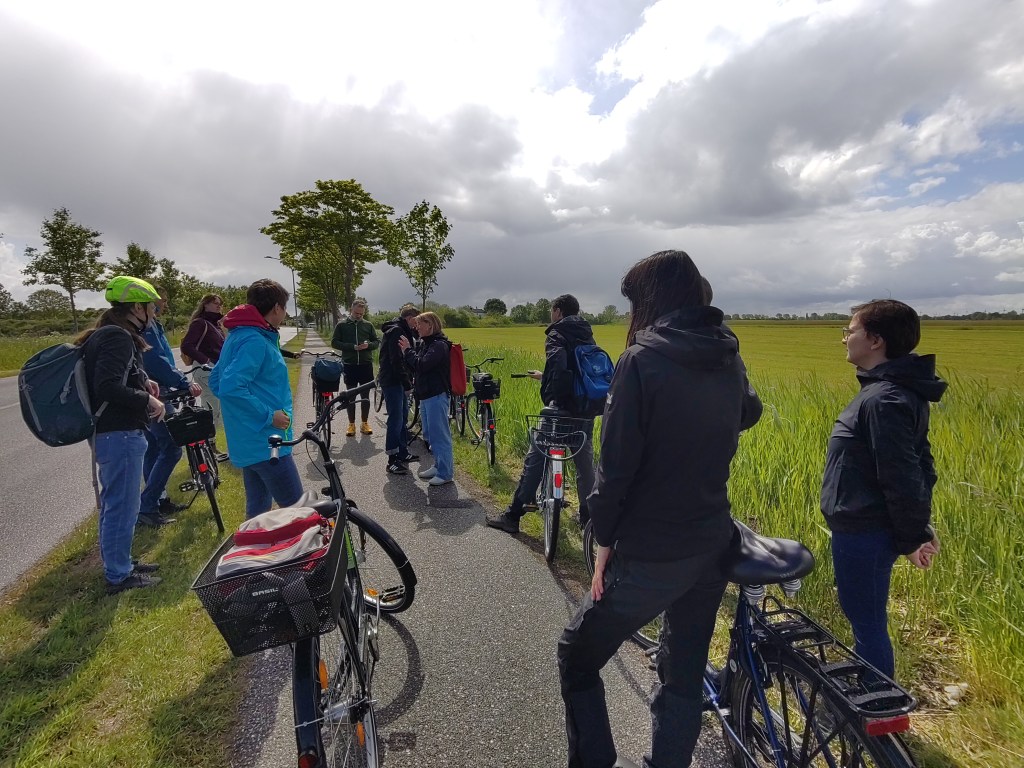
On the second day of the workshop, following the model of our 2024 meeting, we left the Helmholtz Institute and continued our conversations in the field. Whereas last year our focus was urban ecology and rewilding, this year took us to the Wadden Sea itself to consider the history and future of coastal protection. Besides learning a lot about the particular concerns of Wadden Sea conservation past and present, our field trip involved wind, rain, sun, muscle power and (the badge of honour for conservationists) mud! In the spirit of embodied, down-to-earth conservation practice, we very much hope that it sticks.

New Wadden Sea publication

Cormac Walsh has co-edited a new book that offers transdisciplinary perspectives on the Wadden Sea. Crossing Borders, Blending Perspectives: Trilateral Wadden Sea Explorations brings together diverse voices on this unique landscape. It touches upon the topics of rural livability, sustainable tourism, nature conservation, coastal management, and climate change adaptation, while also providing insights into teaching the Wadden Sea in an interactive and transdisciplinary way. The book is available open-access via University of Groningen Press.

Rewilding in Europe: EuCoHN members at a conference in Museum Koenig

Photo: Jan Decher, Bonn

Five EuCoHN members participated in the conference “Rewilding in Europe: Genealogies, Imaginaries and Practices of Conservation in the Anthropocene” from 19-21 March 2025 in Bonn. The conference brought together humanities scholars, natural and social scientists as well as conservation practitioners to discuss various perspectives on rewilding. Bernhard Gissibl and Pavla Šimková served as co-conveners while George Holmes, Monica Vasile, and Anna-Katharina Wöbse were among the speakers.

New Corridor Talk publication

Graham Huggan and Pavla Šimková have published a new article in Resistance: A Journal of Radical Environmental Humanities. Three Very Short Histories of the Border: Regimes of In/visibility in the Bavarian Forest and Šumava National Parks investigates different environmental, social, and cultural borders between two national parks, as well as the multispecies communities that cross them, and is available online.

© Gilles San Martin via Flickr

New multispecies publication

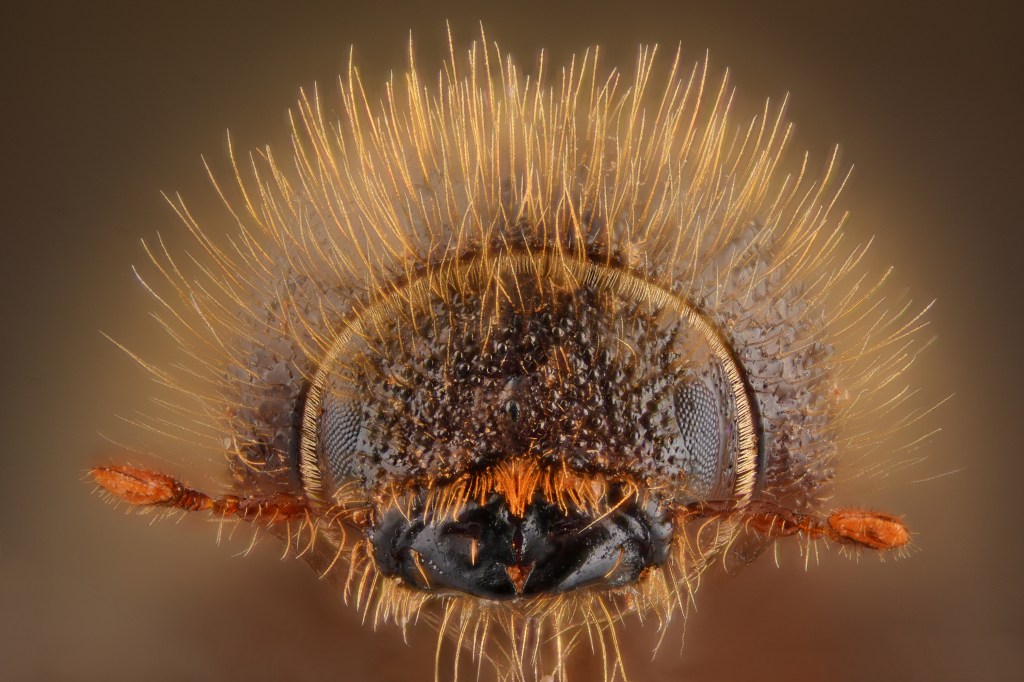
Frederike Felcht has co-edited a new book containing
interdisciplinary essays that shed light on things that mediate relationships between (more-than-human) species. Von Fliegenfängern und Katzenklappen: 39 Kleinigkeitenzwischen den Arten investigates matters as varied as flypaper, teddy bears, and wine cellars through different disciplinary lenses to provide alternatives to dominant anthropocentric perspectives and highlights different options of shared multispecies existence. Aimed at both academic and non-academic audiences, the book is available as hardcover and ebook now.

Inaugural EuCoHN meeting in Munich


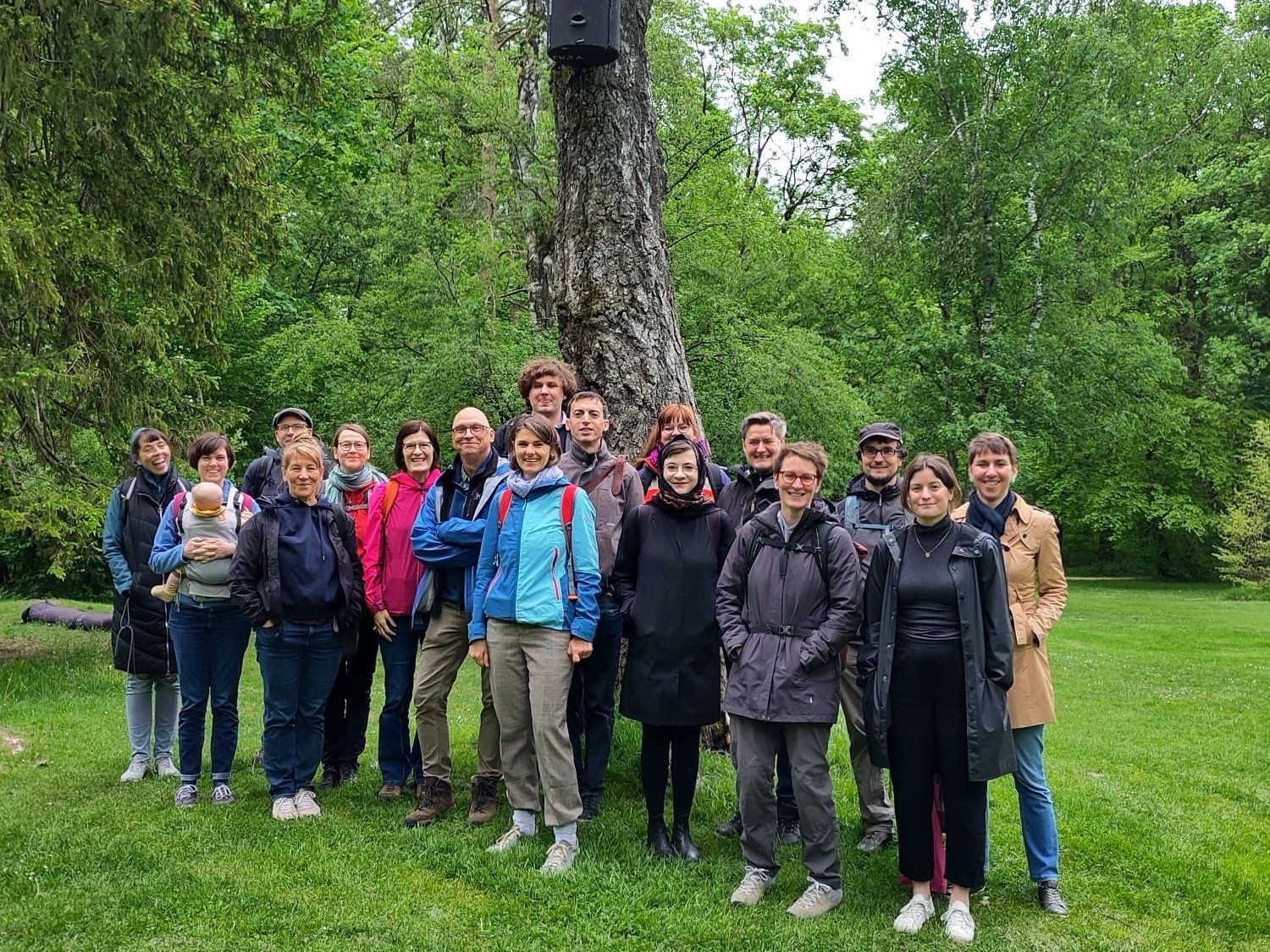
Early in May 2024 members of the European Conservation Humanities Network met for their first two-day network meeting in Munich, hosted at the Collegium Carolinum and the Rachel Carson Center.

Day one began with introductions: first from the organisers, and then between the assembled researchers. Participants came from a broad variety of  humanities and social sciences fields — from ecocriticism and environmental history via anthropology and linguistics to STS and environmental studies. Learning what everyone present works on, how that work connects to conservation, and how a designated Conservation Humanities network might support it, was thus an important investment in the network, and allowed for less formal and more in-depth interactions during the lunch break. Some of the group cemented their membership with a paddle in the Isar River, but those hankering after a full immersive experience will have to wait for the next meeting.

After lunch, the day continued with a more general discussion of the network’s aims and some of the short-steps that could be taken towards them. The main focus was, unsurprisingly, how humanities methods, expertise and sensibilities can be useful, or indeed crucial, to collaborations with conservation science. To expand upon this topic, we were then joined by affiliated practitioner Zoltan Kun, who introduced his work at the conservation NGO Wild Europe, his prior experiences with IUCN and finally a draft for a proposed IUCN resolution highlighting the importance of Conservation Humanities in Europe which the network will pursue further. A dinner at Klinglwirt, a climate-friendly, sustainable-agriculture based restaurant serving traditional Bavarian food, rounded up the first day. 

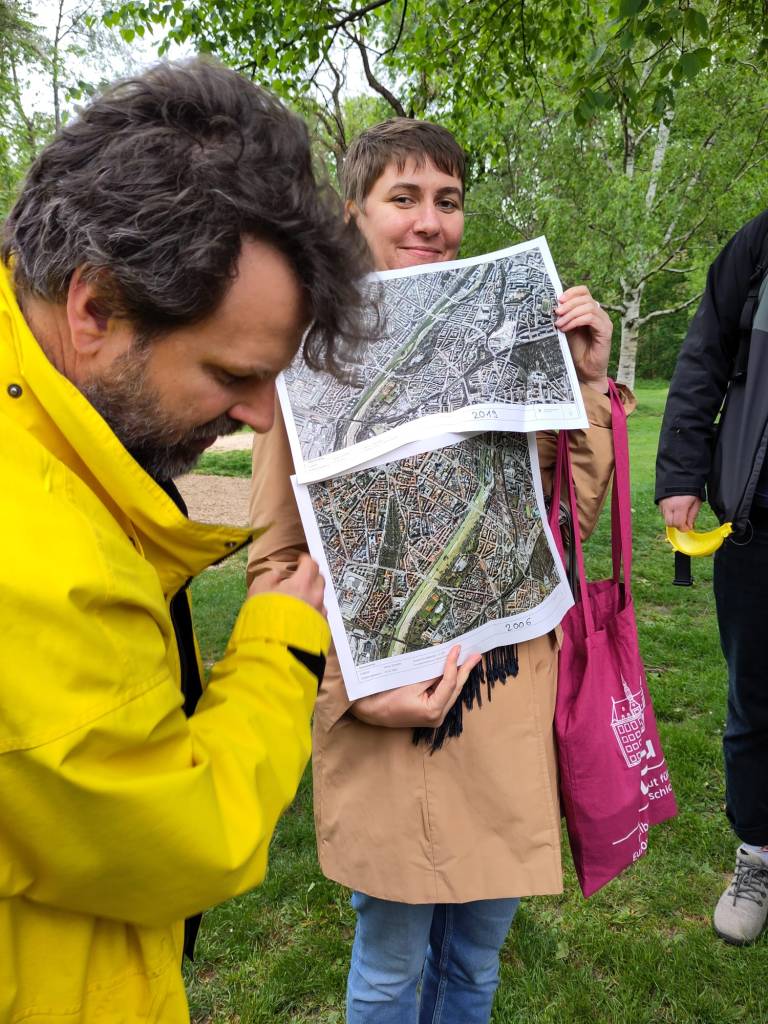
The next morning began with a discussion of concrete steps to be taken—listservs to be set up, dates and locations for future workshops to be found, and writing projects to be planned. After a sandwich lunch, made by student network member Lukas Kunerth with bread they had baked themself, we set out for an excursion in the afternoon, braving the dreary weather reports. Tobi Schiefer, affiliated practitioner and ecologist working for the city of Munich, took us on a tour of the Landschaftsschutzgebiet Isarauen. The attractive and popular site along the banks of Munich’s main river has been reshaped massively by human activities: the renaturation of the river bed in the early 2000s created new, flourishing urban ecosystems but also changed human recreational behavior and other use patterns, leading to complications for other species who used to call the area their home.

This history,  insights into municipal conservation policy, and fascinating details about different bat nesting boxes are only a select few of the many intriguing impressions we gained. The workshop then ended over drinks at a local bar—leaving participants excited about the future of the network, and looking forward to the next meeting, tentatively set for May 2025.