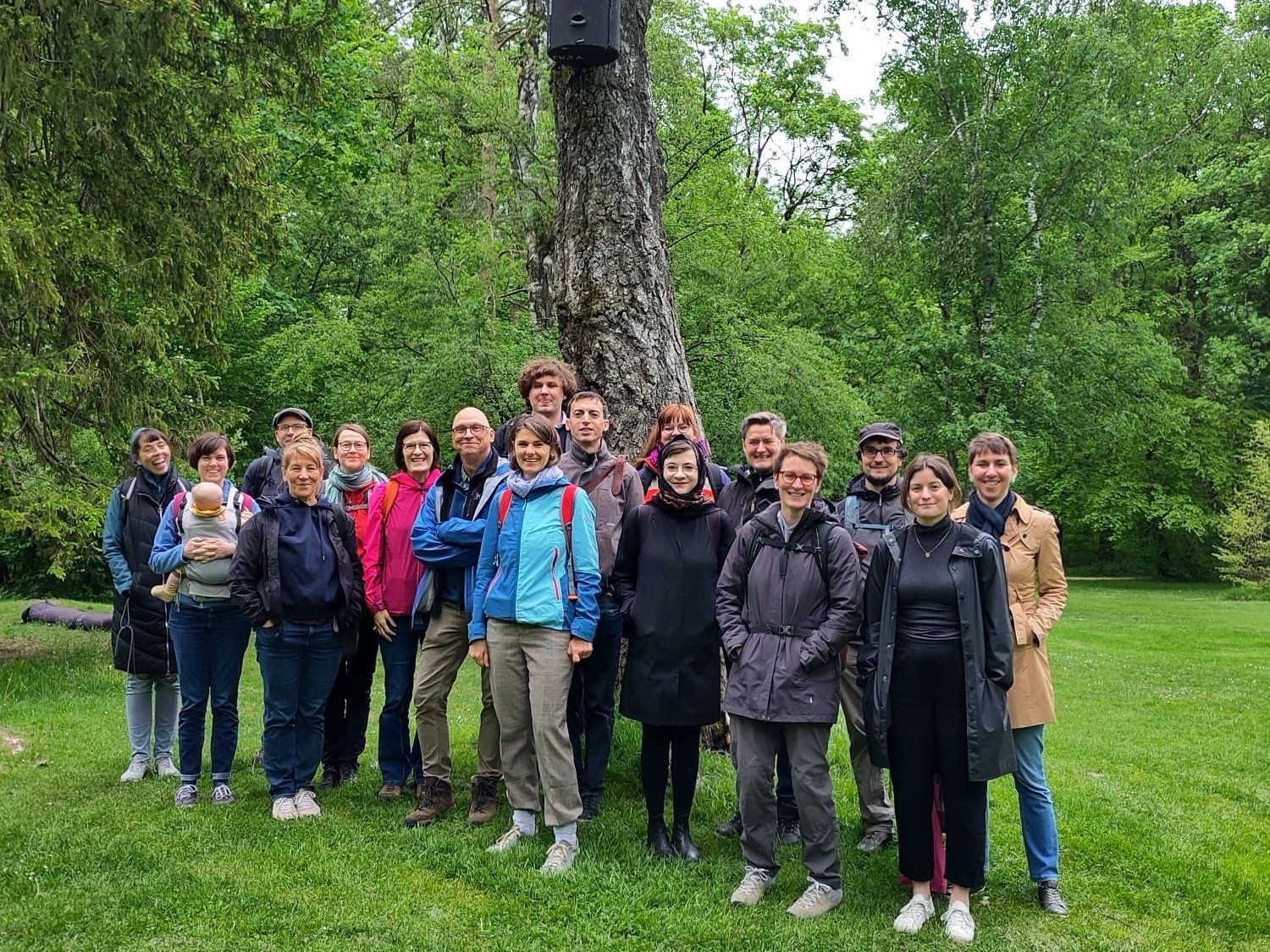
Early in May 2024 members of the European Conservation Humanities Network met for their first two-day network meeting in Munich, hosted at the Collegium Carolinum and the Rachel Carson Center.


Day one began with introductions: first from the organisers, and then between the assembled researchers. Participants came from a broad variety of humanities and social sciences fields — from ecocriticism and environmental history via anthropology and linguistics to STS and environmental studies. Learning what everyone present works on, how that work connects to conservation, and how a designated Conservation Humanities network might support it, was thus an important investment in the network, and allowed for less formal and more in-depth interactions during the lunch break. Some of the group cemented their membership with a paddle in the Isar River, but those hankering after a full immersive experience will have to wait for the next meeting.

After lunch, the day continued with a more general discussion of the network’s aims and some of the short-steps that could be taken towards them. The main focus was, unsurprisingly, how humanities methods, expertise and sensibilities can be useful, or indeed crucial, to collaborations with conservation science. To expand upon this topic, we were then joined by affiliated practitioner Zoltan Kun, who introduced his work at the conservation NGO Wild Europe, his prior experiences with IUCN and finally a draft for a proposed IUCN resolution highlighting the importance of Conservation Humanities in Europe which the network will pursue further. A dinner at Klinglwirt, a climate-friendly, sustainable-agriculture based restaurant serving traditional Bavarian food, rounded up the first day.
The next morning began with a discussion of concrete steps to be taken—listservs to be set up, dates and locations for future workshops to be found, and writing projects to be planned. After a sandwich lunch, made by student network member Lukas Kunerth with bread they had baked themself, we set out for an excursion in the afternoon, braving the dreary weather reports. Tobi Schiefer, affiliated practitioner and ecologist working for the city of Munich, took us on a tour of the Landschaftsschutzgebiet Isarauen. The attractive and popular site along the banks of Munich’s main river has been reshaped massively by human activities: the renaturation of the river bed in the early 2000s created new, flourishing urban ecosystems but also changed human recreational behavior and other use patterns, leading to complications for other species who used to call the area their home.
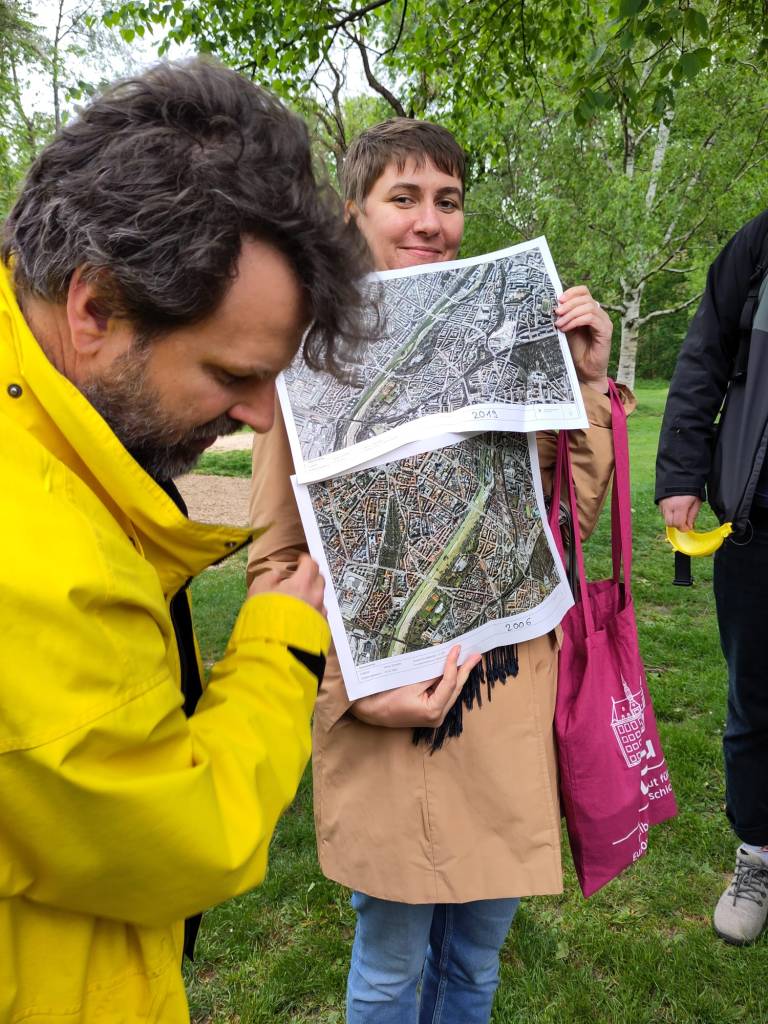

This history, insights into municipal conservation policy, and fascinating details about different bat nesting boxes are only a select few of the many intriguing impressions we gained. The workshop then ended over drinks at a local bar—leaving participants excited about the future of the network, and looking forward to the next meeting, tentatively set for May 2025.
 CONSERVATION HUMANITIES